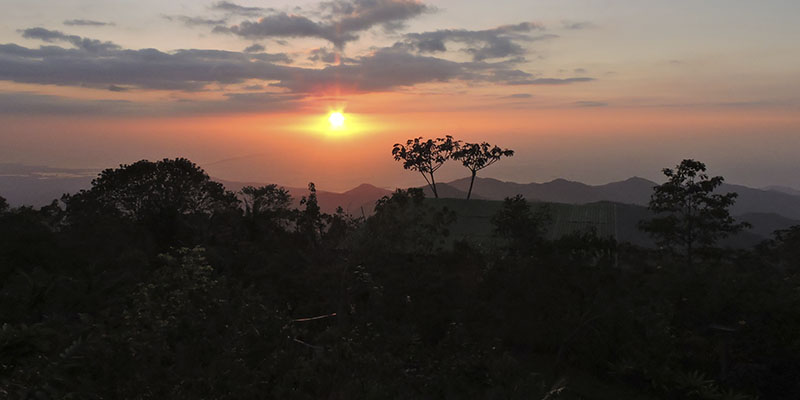
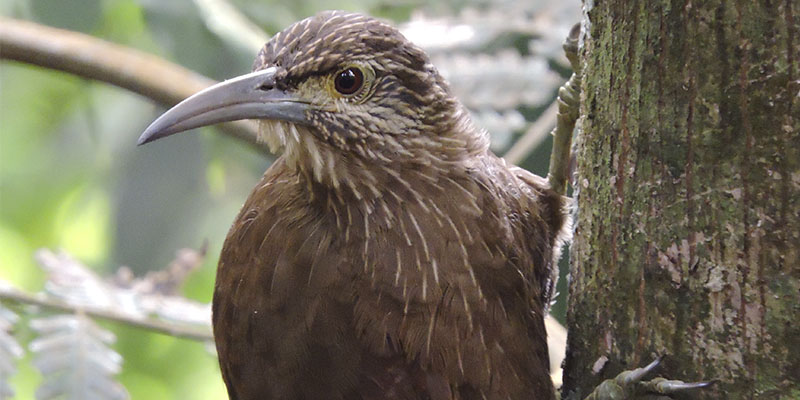
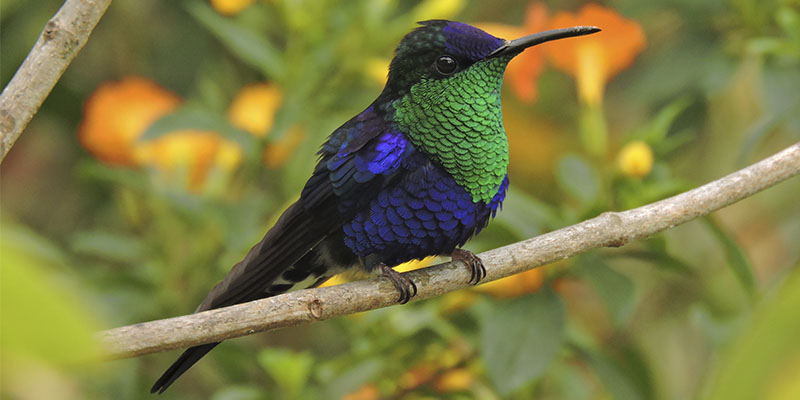
This expedition explores the extraordinary bird diversity of Colombia’s Caribbean region, combining the endemic-rich cloud forests of the Sierra Nevada de Santa Marta with the arid landscapes and coastal wetlands of La Guajira. From the lush montane forests of El Dorado Reserve and the high elevations of San Lorenzo Ridge to the mangroves, dry forests, and lagoons of Los Flamencos Sanctuary, this journey offers an exceptional opportunity to observe some of Colombia’s most localized and sought-after bird species. Participants will search for iconic endemics and regional specialties such as Santa Marta Parakeet, Santa Marta Antpitta, Santa Marta Mountain-Tanager, Vermilion Cardinal, White-whiskered Spinetail, and Tocuyo Sparrow while experiencing one of the most dramatic ecological contrasts in northern South America.
Duration: 10 Days - 9 Nights.
Group Size: 4 - 8 Participants.
Tour Start: Barranquilla Colombia (CLO)
Tour End: Riohacha (RCH)
Airport Info:
Barranquilla - Ernesto Cortissoz International Airport (BAQ).
Riohacha - Almirante Padilla International Airport (RCH).
______________________________________________________________________________________________________
ITINERARY - SIERRA NEVADA & GUAJIRA BIRDING TOUR
Day 1. Arrival Barranquilla.
Welcome to the Caribbean region of Colombia! Upon arrival at Ernesto Cortissoz International Airport in Barranquilla, you will be greeted by our local team. After a brief orientation, we’ll transfer to the hotel where you can settle in and rest after your journey.
Day 2.
We start the day with an early visit to Universidad del Norte, where we’ll explore the campus and its surrounding vegetation in search of three key target species that thrive in this urban green space. Despite its academic setting, the university is a surprising hotspot for birdlife. Next, we’ll head to Km 4, a well-known birding area near Barranquilla. Its mix of dry forest and open areas attracts a wide variety of species, including some regional endemics and specialties of Colombia’s Caribbean region. In the afternoon, we continue to Isla Salamanca National Natural Park, a vital conservation area that is part of the UNESCO “Ciénaga Grande de Santa Marta” Biosphere Reserve. Known as “the lungs of the Caribbean,” this park protects extensive mangrove ecosystems and provides critical habitat for resident and migratory birds. Its diversity of mangroves, lagoons, and dry forest makes it an excellent site for observing a broad range of species. As the day comes to a close, we’ll transfer to Santa Marta and settle into our accommodations, ready for the adventures that lie ahead.
Day 3.
A morning of Birding in Minca. Thirty minutes from the town, we will take a village road, making the best opportunities to see the awakening of hundreds of Military Macaws. Other specialties of this dry-forest ecosystem are Whooping Motmot, Sallow Tanager, Black-backed Antshrike, Roufous-tailed Jacamar, Lance-tailed Manakin, King Vulture, Keel-billed Toucan among others. In the afternoon we will visit another sector of Minca, where we will look for our first endemics of the Sierra, among them: Santa Marta Antbird, Santa Marta Foliage-gleaner, Hermit Wood-wren.
Day 4.
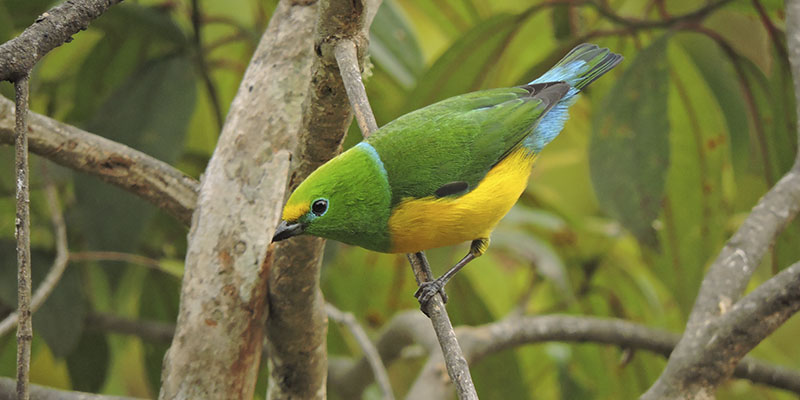
Santa Marta is one and only birding destination. The world’s highest coastal mountain range and the highest point of Colombia: a land of matchless endemism. We will have birding along the road to El Dorado Reserve; up the mountain we will make stops to find birds like Golden-winged Sparrow, Rufous-capped Warbler, Santa Marta Foliage-gleaner, Santa Marta Antbird, Rosy-thrush Tanager, Scale Piculet, coppery Emerald, Santa Marta Blossomcrown, Santa Marta Brushfinch and Blue-naped Chlorophonia.
Day 5.
We will rise very early to drive up almost 1-hour and a half along a bumpy road to San Lorenzo ridge. The highest part houses a bouquet of endemics such us Santa Marta Parakeet, Santa Marta Mountain-tanager, White-lored Warbler, Yellow-crowned Whitestar, Black-backed Thorntail, Black-backed Thornbill, White-tailed Starfrontlet, Santa Marta Bushtyrant, Santa Marta Tapaculo, Santa Marta Wood-wren, Santa Marta Antpitta.
Day 6.
After exploring the surrounding areas in previous days, today we focus on tracking down the elusive and remaining target species within the lush cloud forests of El Dorado Reserve, a world-renowned hotspot perched on the slopes of the Sierra Nevada de Santa Marta. We’ll revisit key elevations and microhabitats, guided by local expertise and a refined list of species we’ve yet to encounter. Whether it's scanning forest edges at dawn, exploring quieter forest trails, or waiting patiently at known hotspots, today is about filling the final gaps in our Santa Marta checklist.
Day 7.
On our journey from Santa Marta to Riohacha, we’ll make a strategic birding stop at Gaviotas, a productive hotspot nestled along the coastal highway. Framed by mangroves, estuaries, and dry scrub, this lesser-known gem offers a unique mix of habitats in a compact area—perfect for spotting shorebirds, coastal specialties, and migratory surprises. As we stretch our legs and scan the landscape, this brief yet rewarding session is designed to enrich our species list before continuing to Riohacha and the birding treasures that await on the Guajira Peninsula.
Day 8.
Nestled in the austere beauty of La Guajira’s coastal dry forest near Riohacha, today’s birding ventures into a rare and endangered ecosystem—where hardy scrub, thorny trees, and saline lagoons converge. In the Los Flamencos Sanctuaryand surrounding dry woodlands, this unique habitat supports a suite of regional specialties—species like Vermilion Cardinal, Chestnut Piculet, White-whiskered Spinetail, Green-rumped Parrotlet, and Tocuyo Sparrow—that you didn’t encounter yesterday. These birds, many near-endemic to northeastern Colombia and northwest Venezuela, thrive in this sun-baked mosaic and make each sighting here a gratifying reward. As we walk under the spiny canopy and shoreline, the contrast between yesterday’s lush cloud forests and today’s resilient dry forest offers a vivid reminder of Colombia’s ecological diversity—and the thrill of uncovering its rarer bird gems.
Day 9.
We will drive 40 minutes to the community Camarones, located at Los Flamencos Fauna and Flora Sanctuary. The species that we can observe there are: American Oystercatcher, Black-bellied Plover, Sanderling, Spotted Sandpiper, Solitary Sandpiper, Belcher's Gull, Caspian Tern, Common Tern, Royal Tern, Sandwich Tern, Black Skimmer, Magnificent Frigatebird, Reddish Egret, Scarlet Ibis, Trinidad Euphonia, Russet-throated Puffbird, Pale-legged Hornero, White-whiskered Spinetail, Green-rumped Parrotlet, Black-crested Antshrike, Black-backed Antshrike, White-flanked Antwren, White-fringed Antwren, White-bellied Antbird, Pearly-vented Tody-Tyrant, Slender-billed Tyrannulet, Pale-tipped Tyrannulet, Bicolored Wren, Glaucous Tanager, Pileated Finch, we will also visit a private reserve with bird feeders where you can see Vermilion Cardinal, Orinocan Saltator and Buffy Hummingbird.
Day 10. Transfer to the Airport Almirante Padilla - Riohacha (RCH)
Our tours include all of the meals beginning with breakfast on day 2 until lunch on the last day in Colombia. They also include lodging from the night before the start of the tour until the last night of the selected tour, as well as land transportation, a local guide, water and snacks.
The tour does not include: flights (except for those mentioned in the itinerary), alcoholic beverages, tips, phone calls, sim-cards for phones, extra baggage payment, laundry service, or any other expenses of a personal nature.
Note: It is possible that due to unforeseen circumstances or forces of nature, we may be forced to modify the itinerary or change the local guide without informing you previously. However, we will do everything in our power to ensure that the tour stays as close as possible to your initial itinerary.
Registration
Before enrolling, we recommend contacting a Birding & Herping consultant to answer any questions or concerns. It is necessary to register through the website. After registering, you will receive a form via e-mail, which must be completed in full, signed and sent back via email. Likewise, you must make a down payment of $ 150 USD per person, which will be discounted from the total value of the tour once the minimum number of participants has been reached. The minimum quota of a tour is two people up to a maximum capacity of 8 people. If the minimum quota has not been reached by the registering deadline down payment will be reimbursed minus a minimum percentage for bank charges.
Registration for the tour becomes effective once you have met these two requirements: The registration form and down payment
Note: Please refrain from purchasing airline tickets without verifying that the minimum quota has been completed and you have been notified by the Birding & Herping team.
Payment and cancellation policy
Once the registration process has been confirmed by the Birding & Herping team, you must pay the entire amount within a maximum period of 90 days before the start date of the tour. You can make the payment by bank transfer or through a PSE payment link.
If you request to cancel the tour less than 90 days prior to the departure date, a 20% charge will apply. If the cancellation is made less than 30 days from the departure date, a 30% charge will apply as well as any bank fees.
Travel insurance
Travel insurance is essential in case of accidents or illnesses that may occur during the tour. Check with several companies that can provide you with travel policies and choose the one with the most coverage possible, including common illnesses such as colds or stomach problems.
Local flights
Local flights to destinations such as the Colombian Pacific, the eastern plains or southern Colombia may be delayed due to weather conditions or as a result of delays relating other flights at major airports in cities such as Bogotá, Medellín or Cali. Due to these types of circumstances, we have planned the itinerary, so that they do not coincide with the last day of the tour, which will avoid complications for flights returning home.
A tour in Colombia that exceeds all your expectations requires planning. The following recommendations have been designed in order to instruct you to make your trip in Colombia as safe, comfortable and pleasant as possible.
1. It is commonly known that our country has history of violent struggle; However, a peace process has opened a world of opportunities for local communities, many of them victims of armed conflict, to seek alternatives such as ecotourism to improve their living conditions and to enhance their culture and love for their territory. All the places proposed in each of our tours guarantee the safety and integrity of the people who are partnering with us.
2. Climate: you must be prepared for several possible weather conditions during a tour in Colombia: humid forests (between 0 and 1000 meters above sea level), dry forests (between 500 and 1000 meters above sea level), Andean forests, high Andean and páramos (between 1400 and 4000 msnm / XX feet). Include in your luggage comfortable clothing, waterproof clothing, long-sleeved shirts that protect from sun and mosquitoes, jackets for colder weather and waterproof boots.
3. Physical demand: each tour has its own physical demands. There will be routes that require long walks on trails with different types of inclines and/or unpaved roads. In the itinerary you will find out more specific details concerning the routes and the level of difficulty. We recommend you inform the team (Staff) of any physical or medical condition before the tour.
4. Health precautions and medicine: Before taking your trip, visit your trusted doctor, so they can recommend the most appropriate medicines and vaccines to take in case of acquiring any disease during your trip.
a) Vaccines against yellow fever, hepatitis and tetanus are recommended before traveling to Colombia, especially if you visit humid areas such as the Pacific or the Amazon.
b) Medicines: Remember to bring medicine (if possible in their original packaging), that you may require for any previously existing medical condition as well as common medicines that can help with headaches, flu and upset stomach.
c) Prevention: Use insect repellent at all times and wear long-sleeved clothing, thereby avoiding acquiring diseases such as dengue or related diseases transmitted through insects.
d) Always use sunscreen and a hat; stay hydrated during the walks on the tour in order to prevent problems caused by heat stroke.
5. Food and hydration: Inform the team about dietary restrictions and allergies. During your stay in Colombia, we recommend eating as much well-cooked food as possible, including vegetables; drink water only and exclusively from a bottle, avoid drinking water from the tap even if the staff tell you that it is safe (filters or purifying tablets can be used in an emergency). The guide will watch over your well-being and inform you of safe places to eat.
6. Necessary documentation: In Colombia, only a passport is required to enter the country; Verify that the expiration date is not before the end of the tour and always carry it in your carry-on baggage.
7. Money and ATMs: The Colombian currency is the Colombian PESO (COP). We recommend withdrawing enough money to cover expenses of a personal nature or those that are not stipulated within the Tour. In Colombia, there are several places including towns, terminals, shopping centers, gas stations that have ATMs readily available. If you are in need of one, do not hesitate to ask your guide, or the driver to make a stop.
8. Internet: Some of the places described in the tour, especially hotels, have Internet access; others have little or no coverage and are restricted to social areas, but not in each room. Request detailed information about the places within the itinerary where you can access the internet if you require it.
9. Equipment: Because Colombia is a Neotropical country, electronic equipment may be at risk due to humidity. We recommend bringing dry bags, a humidifier, cleaning equipment and other items that guarantee that your equipment does not suffer from humidity.
a) Insure your equipment during your trip: consult with a company that guarantees the protection of your equipment in case of damage, moisture problems, loss or theft; While the places we are visiting are guaranteed to be safe, it is better to be sure. Birding & Herping is not responsible for the loss, damage or theft of your equipment.
b) If for some reason your equipment suffers some unforeseen setback, we can provide some equipment such as cameras, lenses and binoculars (depending on the references) with a rental cost.
10. Tips: Tips are voluntary; you are not obliged to give them. However, if you consider that the people serving you have offered a good service you are at liberty to do so.
11. Follow the instructions: It is very important that you follow the recommendations or instructions of the guide. He is the person in charge of your safety and well-being, he knows every detail of the itinerary and the limits that apply to certain species of fauna or flora. He can be flexible with some things as long as they do not affect the welfare of the group and the fauna.
12. Fauna and flora: Our team is trained and know the places to visit; however, nature is unpredictable and the success of an observation depends on certain factors, many of which may be beyond our reach. We recommend consulting the team as to the most appropriate seasons to observe certain species in Colombia, this will make your stay and observation much more successful.
13. The Extraction of fauna, flora, genetic material, as well as the cultural heritage of Colombia is illegal and is penalized by the authorities (law 599 of 2000 and Decree 1608 of 1978, law 397 of 1997).
14. The sexual exploitation of children, sex tourism and other forms of abuse against minors (law 1336 of 2009), or child labor exploitation is completely prohibited and is also penalized by the Colombian authorities (Law 1098 of 2006 ).
15. Birding & Herping defends equality of race or gender (law 1482 of 2011, modified by law 1752 of 2015).
.jpg)