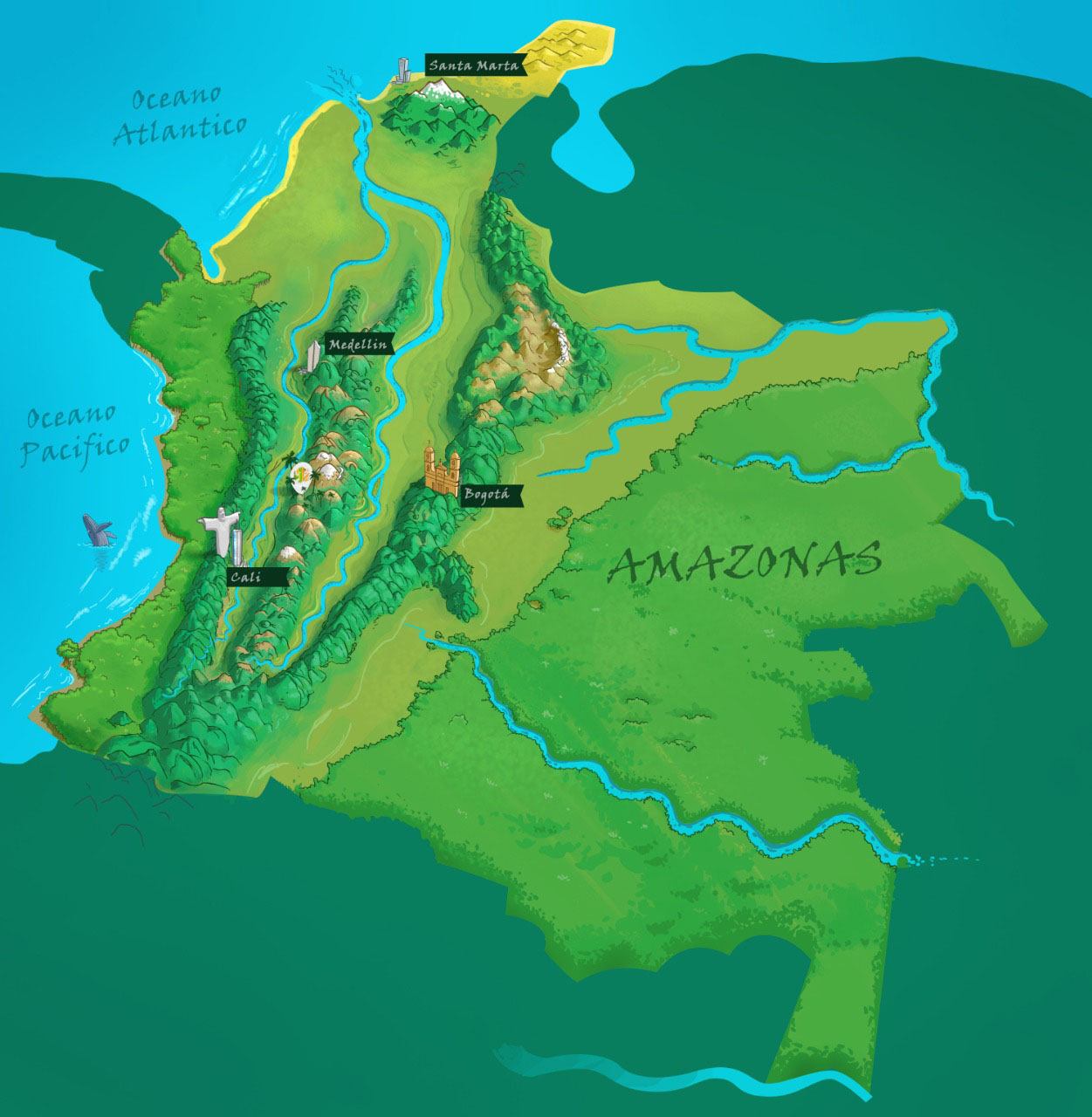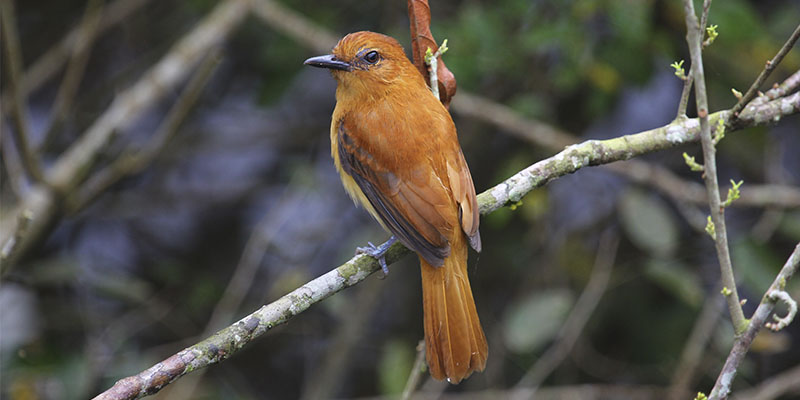
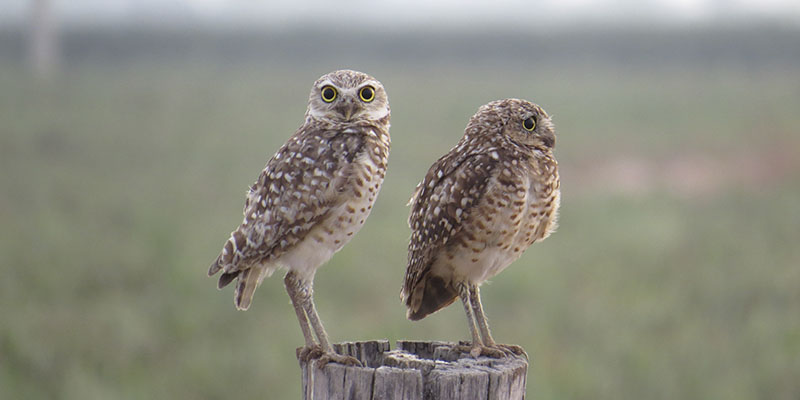
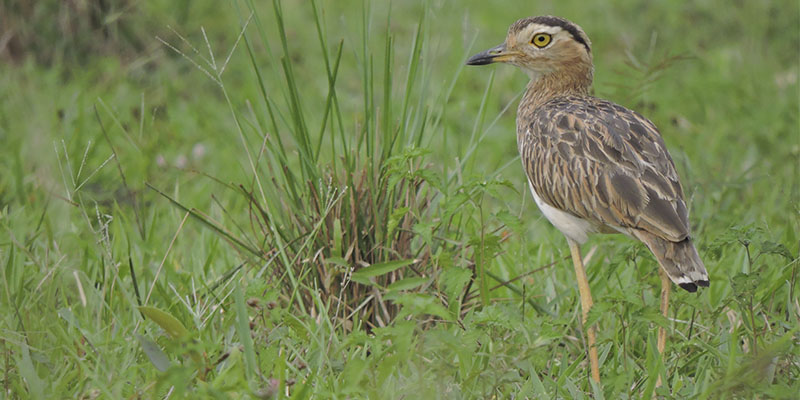
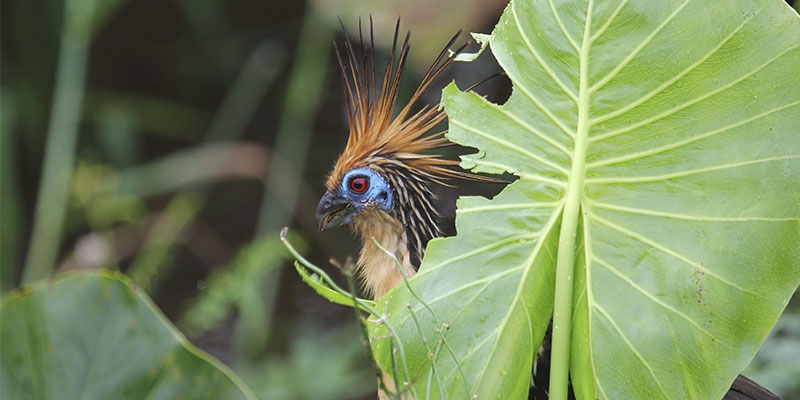
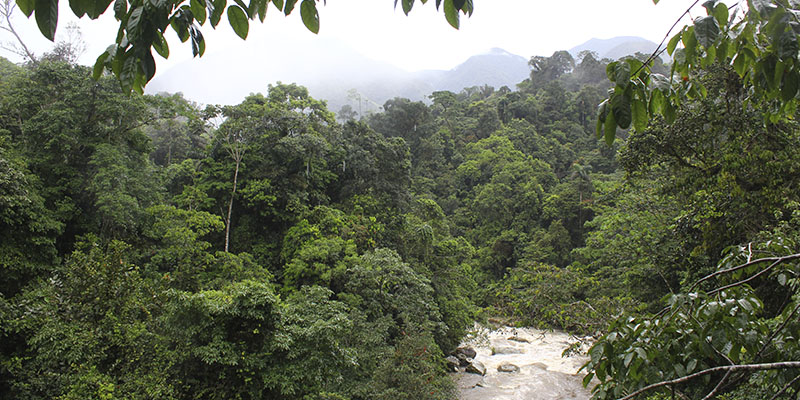
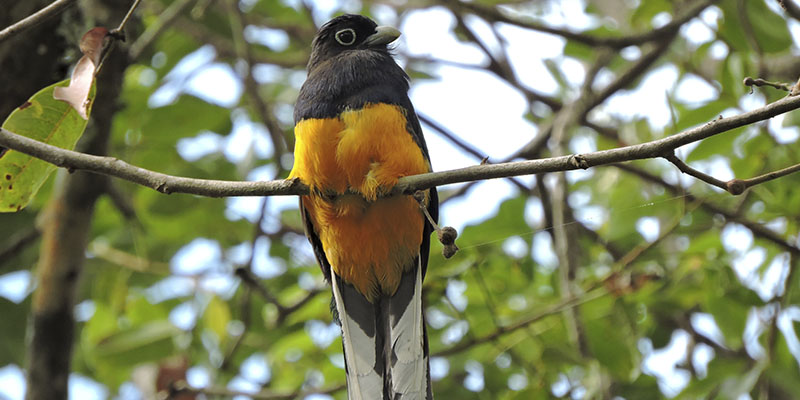
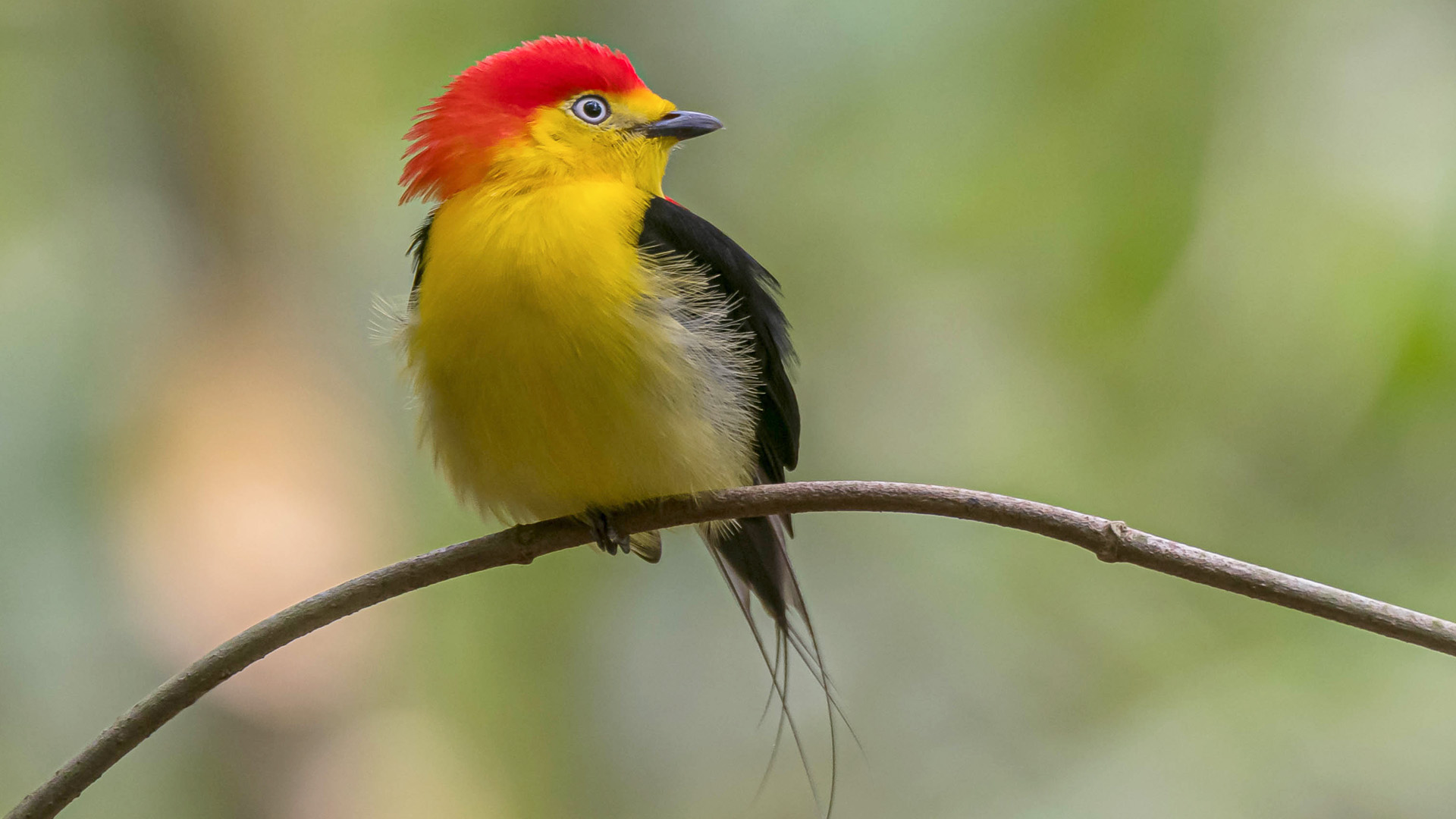
This expedition explores the wild and biodiverse landscapes of eastern Colombia, connecting the Andean foothills, the vast Llanos, and the ancient formations of the Guiana Shield within a unique birding route. From the cloud forests near Bogotá and Villavicencio to the gallery forests and rocky outcrops of Guaviare, participants will experience an extraordinary transition of ecosystems rich in endemic, Amazonian, and foothill bird species. Along the way, we’ll search for remarkable specialties such as Cundinamarca Antpitta, White-chested Puffbird, Guyanese Cock-of-the-rock, Yellow-billed Nunbird, Amazonian Motmot, and many others while exploring one of Colombia’s least explored and most fascinating birding frontiers.
Duration: 8 Days - 7 Nights.
Group Size: 4 - 8 Participants.
Tour Start: Bogotá DC (BOG)
Tour End: San José del Guaviare (SJE)
Airport Info:
Bogotá DC - El Dorado International Airport (BOG).
San José del Guaviare - Jorge Enrique González Airport (SJE).
______________________________________________________________________________________________________
ITINERARY - COLOMBIA’S WILD EAST BIRDING EXPEDITION
Day 1.
Welcome to Colombia! Upon your arrival in Bogotá, our local representative will be waiting to greet you at the airport. From there, you'll be transferred to your hotel in the city, where you can relax and recover from your journey. In the evening, we’ll provide a brief orientation about the upcoming adventure through Colombia’s rich and biodiverse Llanos and Amazon regions.
Day 2.
After an early departure from Bogotá, we’ll head southeast toward the lush montane forests of Refugio del Tororoi, a conservation haven located just a few hours from the capital. Nestled in the Andean foothills, this private reserve protects mature cloud forest and is home to elusive understory species such as the Cundinamarca Antpitta, Swallow-tailed Nightjar, and Spot-winged Parrotlet. As we explore its mossy trails and dense canopy, we’ll focus on finding regional endemics and forest specialists. After a fulfilling morning of birding and lunch at the lodge, we’ll continue our journey down into the eastern foothills, arriving in Villavicencio, the gateway to the vast Llanos region.
Day 3.
Just a short 10-minute drive from Villavicencio, we’ll spend the morning in Bosque Bavaria, an exceptional oasis of foothill forest bridging the Eastern Andes and the Llanos. This protected reserve—formerly the Bavaria brewery land—is celebrated as the top birding hotspot in the Meta region, with over 400 species recorded, including cloud-forest edge specialists, foothill endemics, and migratory visitors. As we walk along its unpaved ridge trail through both primary and secondary forest between ~400–1100 m a.s.l., we may spot coveted species such as White-chested Puffbird, Amazonian Motmot, Crimson-rumped Toucanet, and Gilded Barbet.
Day 4.
On this day, we’ll immerse ourselves in the agro‑ecotourism haven of Rancho Camaná, a small private reserve nestled in the Andean foothills near Villavicencio. This 1.7‑hectare sanctuary blends restored tropical forest, feeding stations, and vibrant gardens to attract nearly 300 bird species, making it a prime hotspot for both photographers and passionate birders. Early mornings bring the delightful sight of colorful tanagers at feeders—such as Turquoise Tanager, Gilded Barbet, and Chestnut‑eared Aracari, while nights unveil the rare spectacle of nocturnal monkeys (Brumback’s night monkeys) emerging in the garden canopy. A day here offers a perfect blend of vibrant birdlife and forest mammals, all set within a sustainable farm‑lodge committed to conservation and community. After lunch, we’ll begin our scenic transfer to San José del Guaviare, crossing from the foothills of the Eastern Andes into the vast lowland plains. Along the way, we’ll make strategic stops to appreciate the dramatic landscapes that open toward the Amazon basin—and, of course, to seize any opportunities to observe birds we encounter en route.
Day 5.
Just an hour from San José del Guaviare, the Nuevo TolimaTrail cuts through the striking rock outcrops of the Guiana Shield, where we’ll seek the flamboyant Guyanese Cock‑of‑the‑Rock in its cliff‑edge lek beside vibrant pre‑Columbian rock paintings. These dramatic murals—some over 12,000 years old—cast a mystical backdrop to our birding, blending cultural wonder with wildlife thrills. Along the walk, we’ll also look for Wing‑barred Piprites, Masked Tanager, Opal‑rumped Tanager, Chestnut‑eared Aracari, and Yellow‑billed Nunbird in this unique ecotone of forest and stone.
Day 6.
Around 13 km from town, Playa Guio sits at the edge of a small creek and the dense Amazonian gallery forest along the Río Guaviare. With three well‑maintained trails (~1.7 km total), this lush corridor allows us to target prime species such as White‑eared Jacamar, Yellow‑billed Nunbird, Spotted Puffbird, and Chestnut‑capped Puffbird—all heard and recorded here. It’s the ideal setting for an immersive morning of birding beside still‑water habitats and forested creekbanks.
Day 7.
Just 15 minutes from San José, the Buena Vista trail runs parallel to the Río Guaviare through riparian forest, seasonally flooded woods, and adjacent agricultural areas. This hotspot has yielded nearly 345 bird species, including Agami Heron, Sungrebe, Gray Hawk, Pied Lapwing, Wattled Jacana, Large‑billed Tern, Amazon Kingfisher, Scarlet‑crowned Barbet, and Great Potoo—providing an exceptional variety in a short time. Early mornings here often deliver the richest sightings, making it a strategic stop during our three-day Guaviare birding circuit.
Day 8.
After breakfast, we’ll transfer to the airport for your departing flight. As your journey through Colombia’s wild heartlands comes to a close, we hope you leave with vivid memories, a growing life list, and a deeper connection to the landscapes, people, and birds that make this country so unique.
Our tours include all of the meals beginning with breakfast on day 2 until lunch on the last day in Colombia. They also include lodging from the night before the start of the tour until the last night of the selected tour, as well as land transportation, a local guide, water and snacks.
The tour does not include: flights (except for those mentioned in the itinerary), alcoholic beverages, tips, phone calls, sim-cards for phones, extra baggage payment, laundry service, or any other expenses of a personal nature.
Note: It is possible that due to unforeseen circumstances or forces of nature, we may be forced to modify the itinerary or change the local guide without informing you previously. However, we will do everything in our power to ensure that the tour stays as close as possible to your initial itinerary.
Registration
Before enrolling, we recommend contacting a Birding & Herping consultant to answer any questions or concerns. It is necessary to register through the website. After registering, you will receive a form via e-mail, which must be completed in full, signed and sent back via email. Likewise, you must make a down payment of $ 150 USD per person, which will be discounted from the total value of the tour once the minimum number of participants has been reached. The minimum quota of a tour is two people up to a maximum capacity of 8 people. If the minimum quota has not been reached by the registering deadline down payment will be reimbursed minus a minimum percentage for bank charges.
Registration for the tour becomes effective once you have met these two requirements: The registration form and down payment
Note: Please refrain from purchasing airline tickets without verifying that the minimum quota has been completed and you have been notified by the Birding & Herping team.
Payment and cancellation policy
Once the registration process has been confirmed by the Birding & Herping team, you must pay the entire amount within a maximum period of 90 days before the start date of the tour. You can make the payment by bank transfer or through a PSE payment link.
If you request to cancel the tour less than 90 days prior to the departure date, a 20% charge will apply. If the cancellation is made less than 30 days from the departure date, a 30% charge will apply as well as any bank fees.
Travel insurance
Travel insurance is essential in case of accidents or illnesses that may occur during the tour. Check with several companies that can provide you with travel policies and choose the one with the most coverage possible, including common illnesses such as colds or stomach problems.
Local flights
Local flights to destinations such as the Colombian Pacific, the eastern plains or southern Colombia may be delayed due to weather conditions or as a result of delays relating other flights at major airports in cities such as Bogotá, Medellín or Cali. Due to these types of circumstances, we have planned the itinerary, so that they do not coincide with the last day of the tour, which will avoid complications for flights returning home.
A tour in Colombia that exceeds all your expectations requires planning. The following recommendations have been designed in order to instruct you to make your trip in Colombia as safe, comfortable and pleasant as possible.
1. It is commonly known that our country has history of violent struggle; However, a peace process has opened a world of opportunities for local communities, many of them victims of armed conflict, to seek alternatives such as ecotourism to improve their living conditions and to enhance their culture and love for their territory. All the places proposed in each of our tours guarantee the safety and integrity of the people who are partnering with us.
2. Climate: you must be prepared for several possible weather conditions during a tour in Colombia: humid forests (between 0 and 1000 meters above sea level), dry forests (between 500 and 1000 meters above sea level), Andean forests, high Andean and páramos (between 1400 and 4000 msnm / XX feet). Include in your luggage comfortable clothing, waterproof clothing, long-sleeved shirts that protect from sun and mosquitoes, jackets for colder weather and waterproof boots.
3. Physical demand: each tour has its own physical demands. There will be routes that require long walks on trails with different types of inclines and/or unpaved roads. In the itinerary you will find out more specific details concerning the routes and the level of difficulty. We recommend you inform the team (Staff) of any physical or medical condition before the tour.
4. Health precautions and medicine: Before taking your trip, visit your trusted doctor, so they can recommend the most appropriate medicines and vaccines to take in case of acquiring any disease during your trip.
a) Vaccines against yellow fever, hepatitis and tetanus are recommended before traveling to Colombia, especially if you visit humid areas such as the Pacific or the Amazon.
b) Medicines: Remember to bring medicine (if possible in their original packaging), that you may require for any previously existing medical condition as well as common medicines that can help with headaches, flu and upset stomach.
c) Prevention: Use insect repellent at all times and wear long-sleeved clothing, thereby avoiding acquiring diseases such as dengue or related diseases transmitted through insects.
d) Always use sunscreen and a hat; stay hydrated during the walks on the tour in order to prevent problems caused by heat stroke.
5. Food and hydration: Inform the team about dietary restrictions and allergies. During your stay in Colombia, we recommend eating as much well-cooked food as possible, including vegetables; drink water only and exclusively from a bottle, avoid drinking water from the tap even if the staff tell you that it is safe (filters or purifying tablets can be used in an emergency). The guide will watch over your well-being and inform you of safe places to eat.
6. Necessary documentation: In Colombia, only a passport is required to enter the country; Verify that the expiration date is not before the end of the tour and always carry it in your carry-on baggage.
7. Money and ATMs: The Colombian currency is the Colombian PESO (COP). We recommend withdrawing enough money to cover expenses of a personal nature or those that are not stipulated within the Tour. In Colombia, there are several places including towns, terminals, shopping centers, gas stations that have ATMs readily available. If you are in need of one, do not hesitate to ask your guide, or the driver to make a stop.
8. Internet: Some of the places described in the tour, especially hotels, have Internet access; others have little or no coverage and are restricted to social areas, but not in each room. Request detailed information about the places within the itinerary where you can access the internet if you require it.
9. Equipment: Because Colombia is a Neotropical country, electronic equipment may be at risk due to humidity. We recommend bringing dry bags, a humidifier, cleaning equipment and other items that guarantee that your equipment does not suffer from humidity.
a) Insure your equipment during your trip: consult with a company that guarantees the protection of your equipment in case of damage, moisture problems, loss or theft; While the places we are visiting are guaranteed to be safe, it is better to be sure. Birding & Herping is not responsible for the loss, damage or theft of your equipment.
b) If for some reason your equipment suffers some unforeseen setback, we can provide some equipment such as cameras, lenses and binoculars (depending on the references) with a rental cost.
10. Tips: Tips are voluntary; you are not obliged to give them. However, if you consider that the people serving you have offered a good service you are at liberty to do so.
11. Follow the instructions: It is very important that you follow the recommendations or instructions of the guide. He is the person in charge of your safety and well-being, he knows every detail of the itinerary and the limits that apply to certain species of fauna or flora. He can be flexible with some things as long as they do not affect the welfare of the group and the fauna.
12. Fauna and flora: Our team is trained and know the places to visit; however, nature is unpredictable and the success of an observation depends on certain factors, many of which may be beyond our reach. We recommend consulting the team as to the most appropriate seasons to observe certain species in Colombia, this will make your stay and observation much more successful.
13. The Extraction of fauna, flora, genetic material, as well as the cultural heritage of Colombia is illegal and is penalized by the authorities (law 599 of 2000 and Decree 1608 of 1978, law 397 of 1997).
14. The sexual exploitation of children, sex tourism and other forms of abuse against minors (law 1336 of 2009), or child labor exploitation is completely prohibited and is also penalized by the Colombian authorities (Law 1098 of 2006 ).
15. Birding & Herping defends equality of race or gender (law 1482 of 2011, modified by law 1752 of 2015).
.jpg)