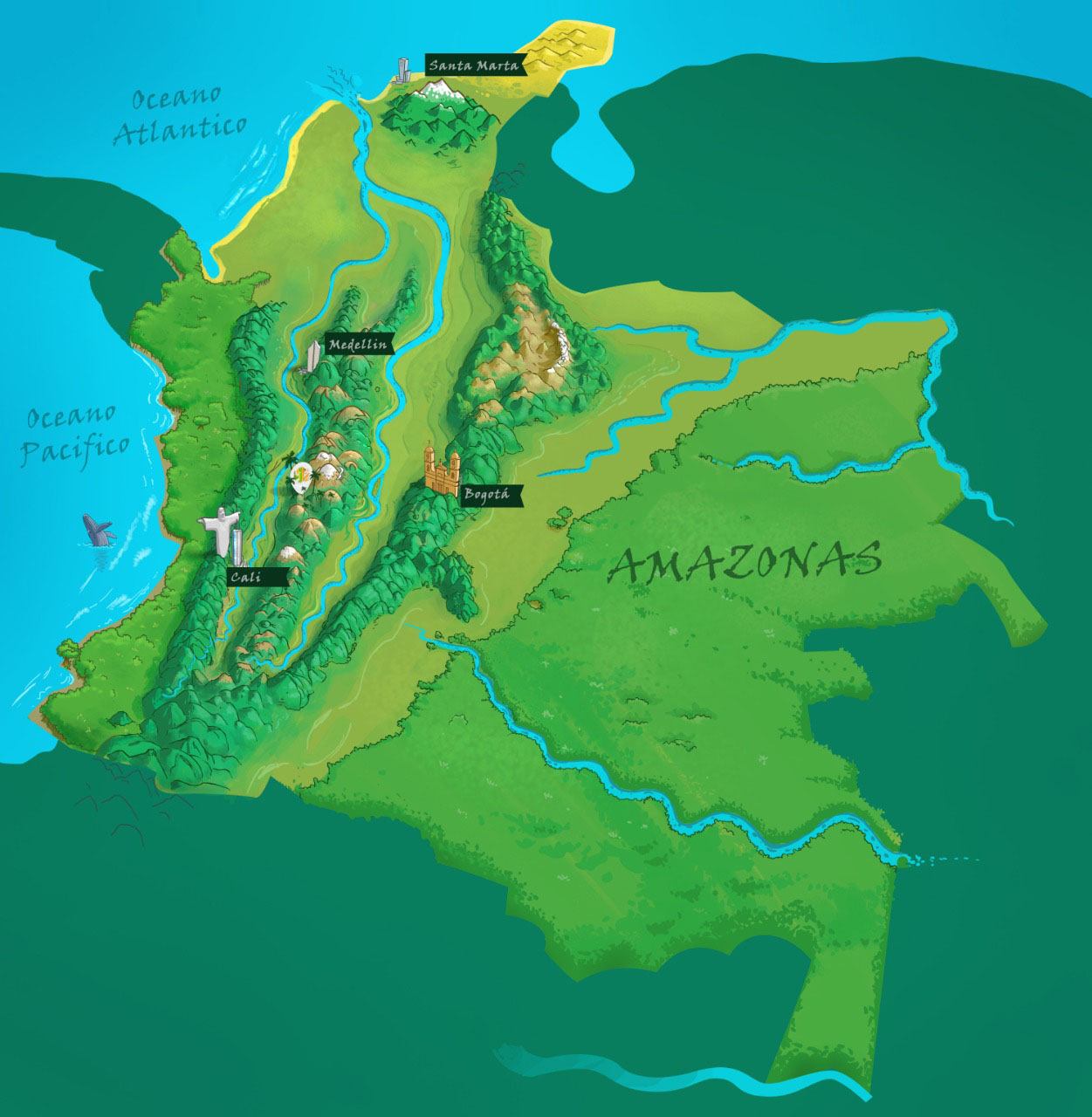
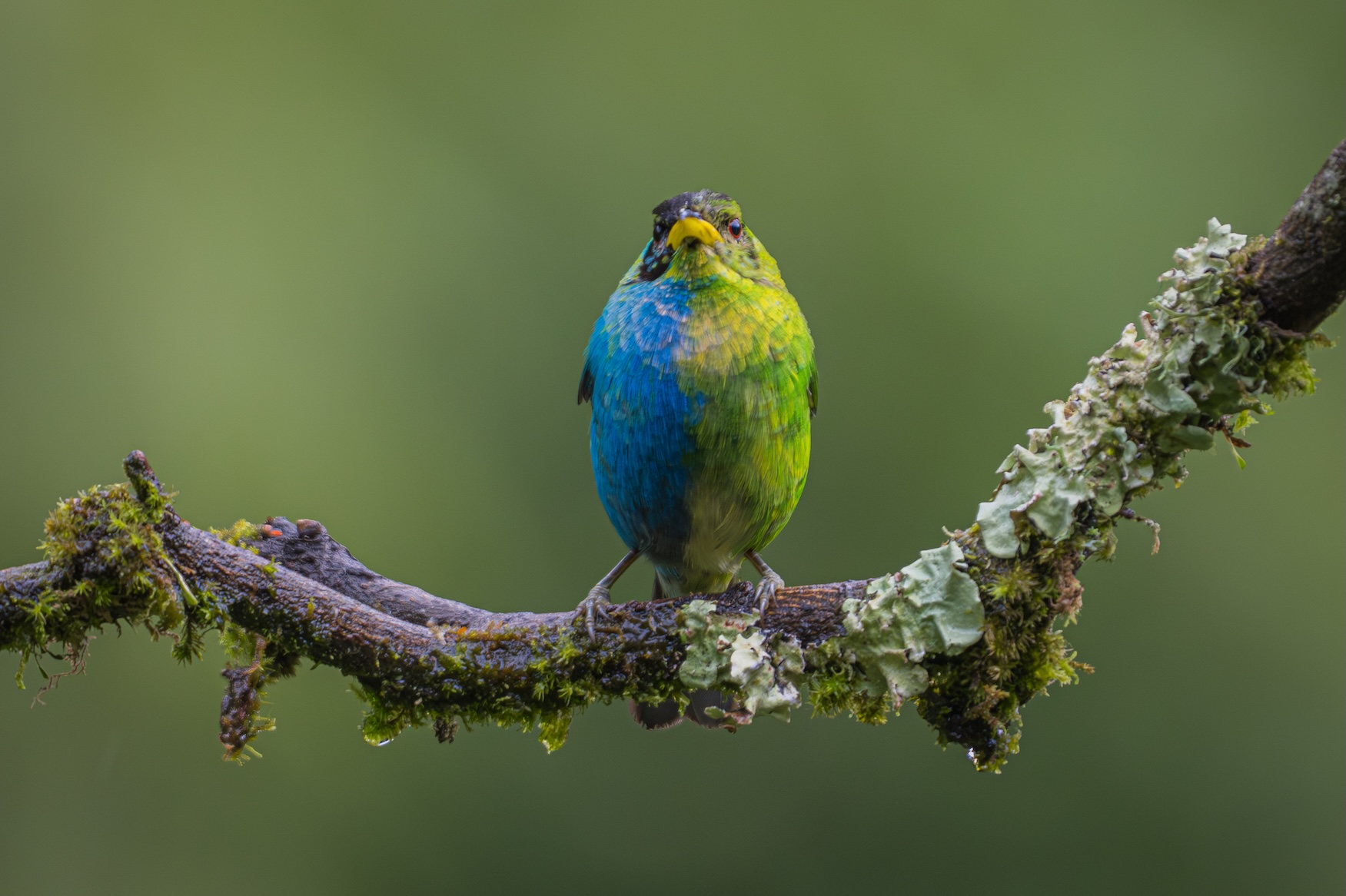
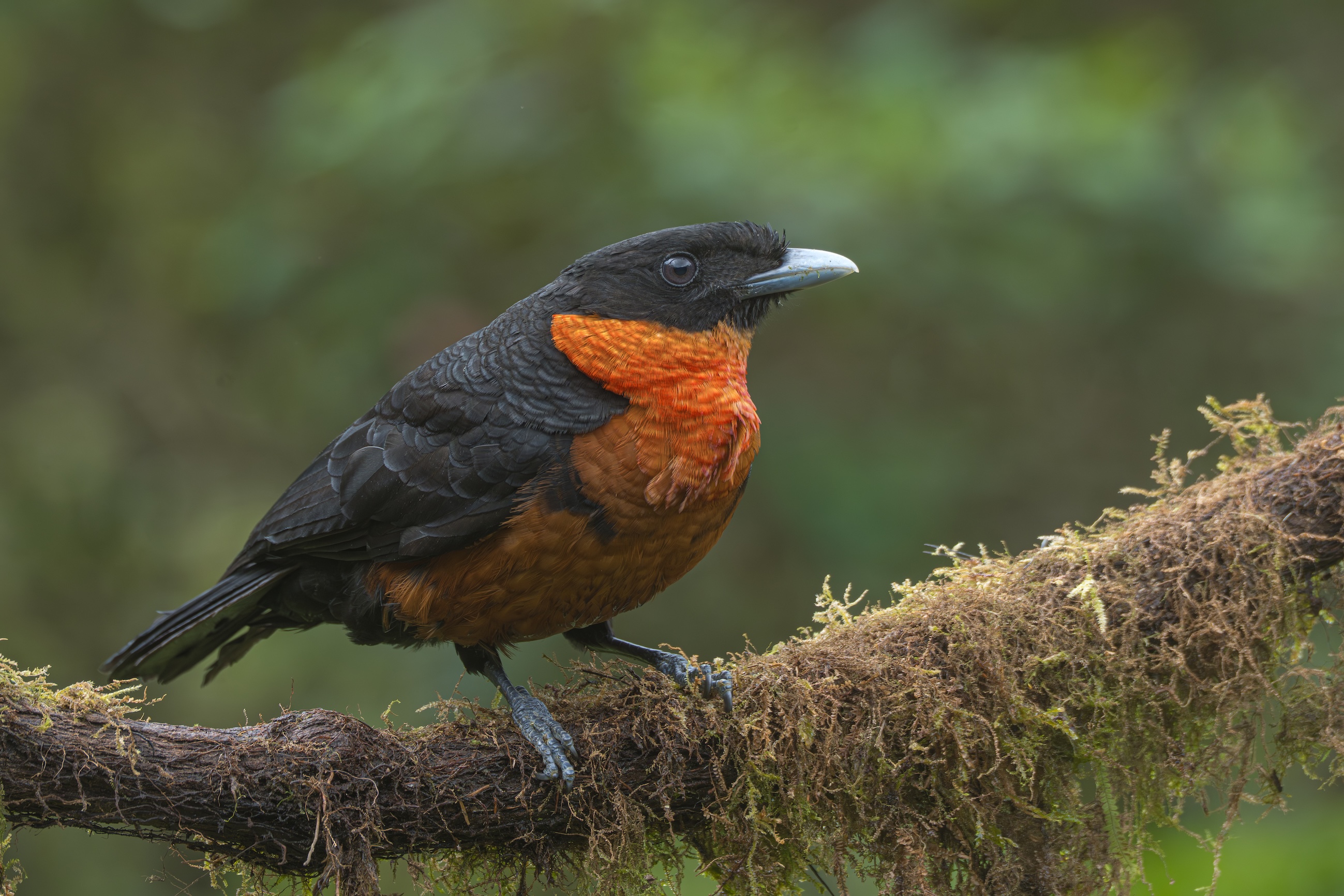
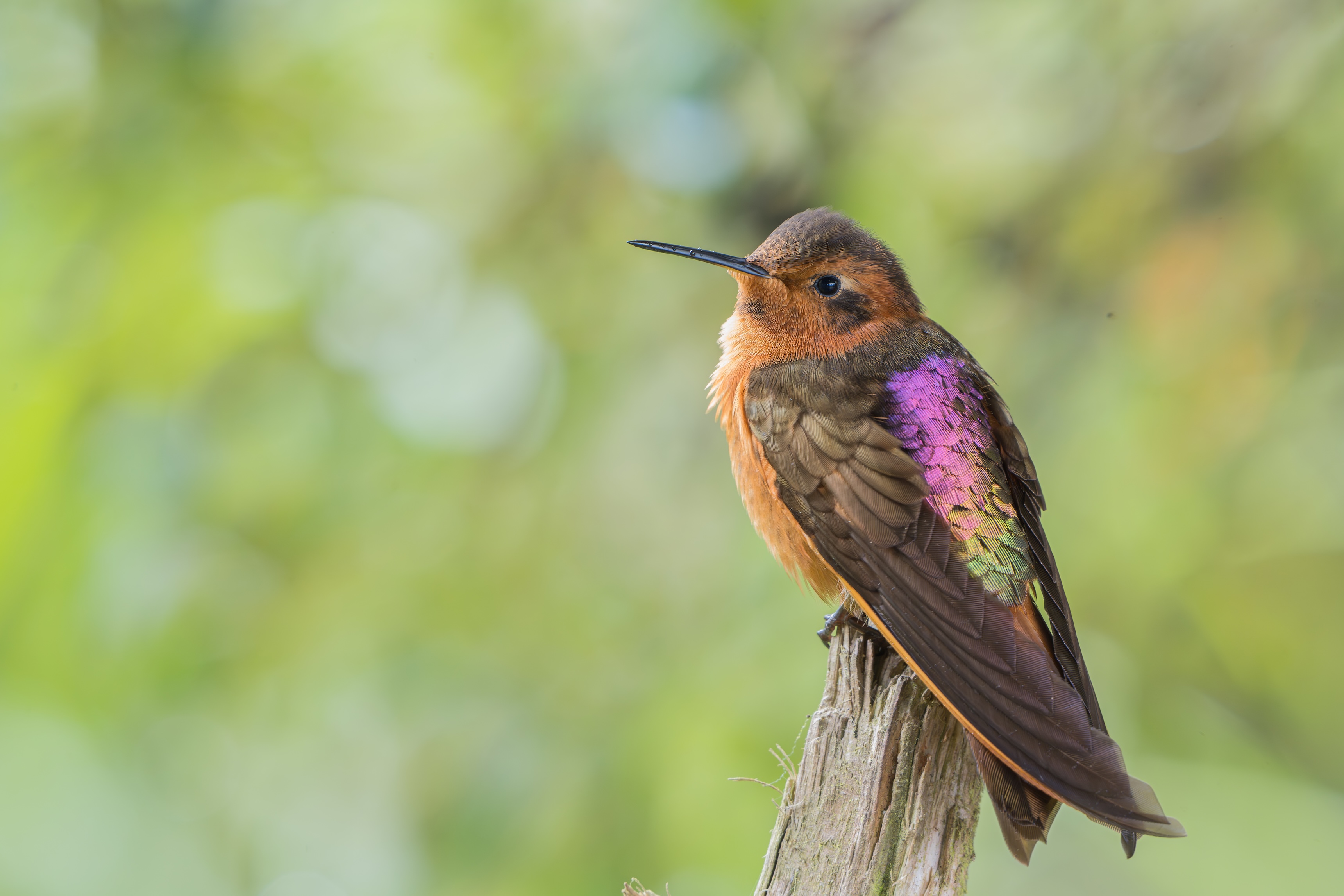
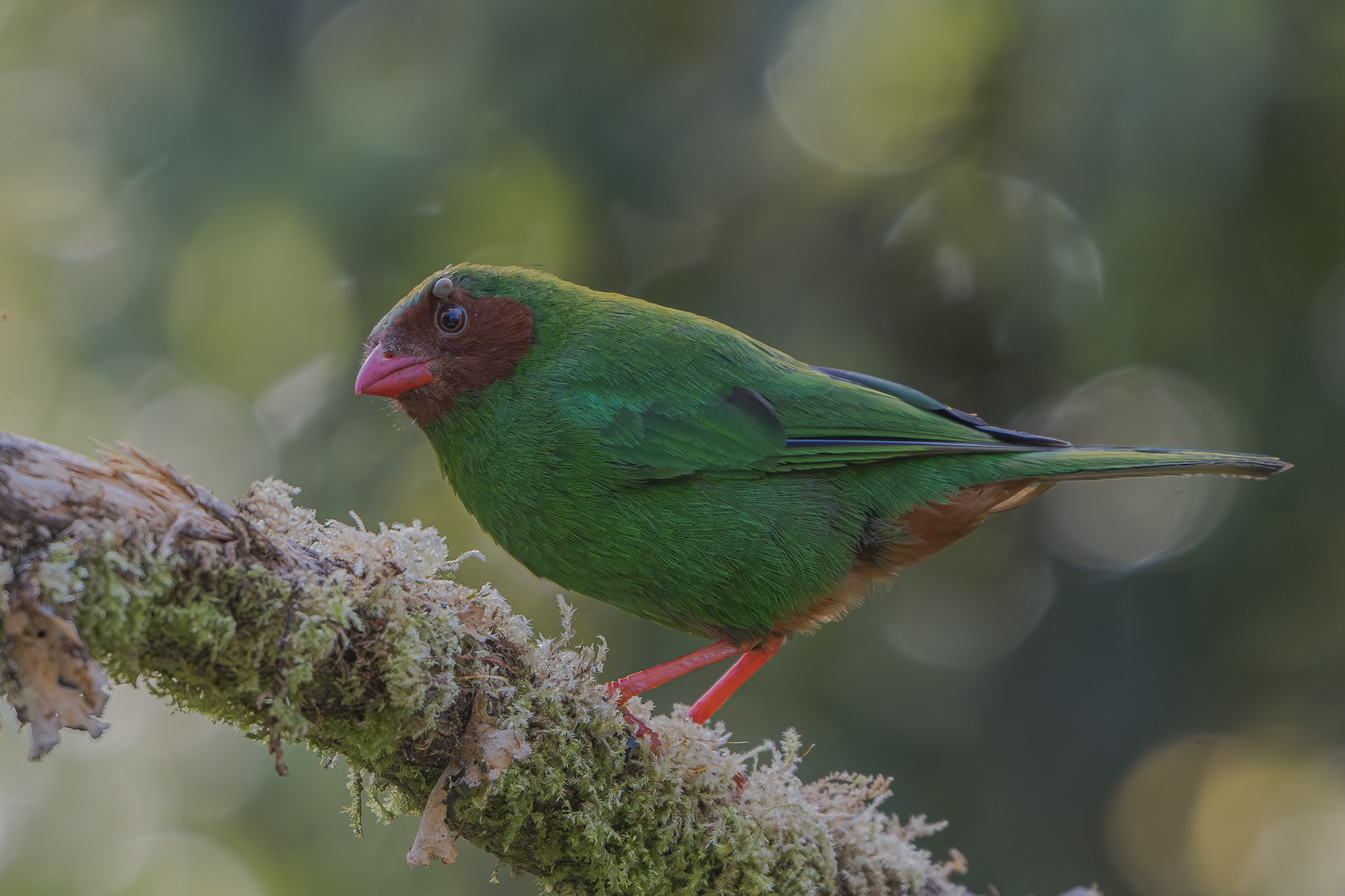
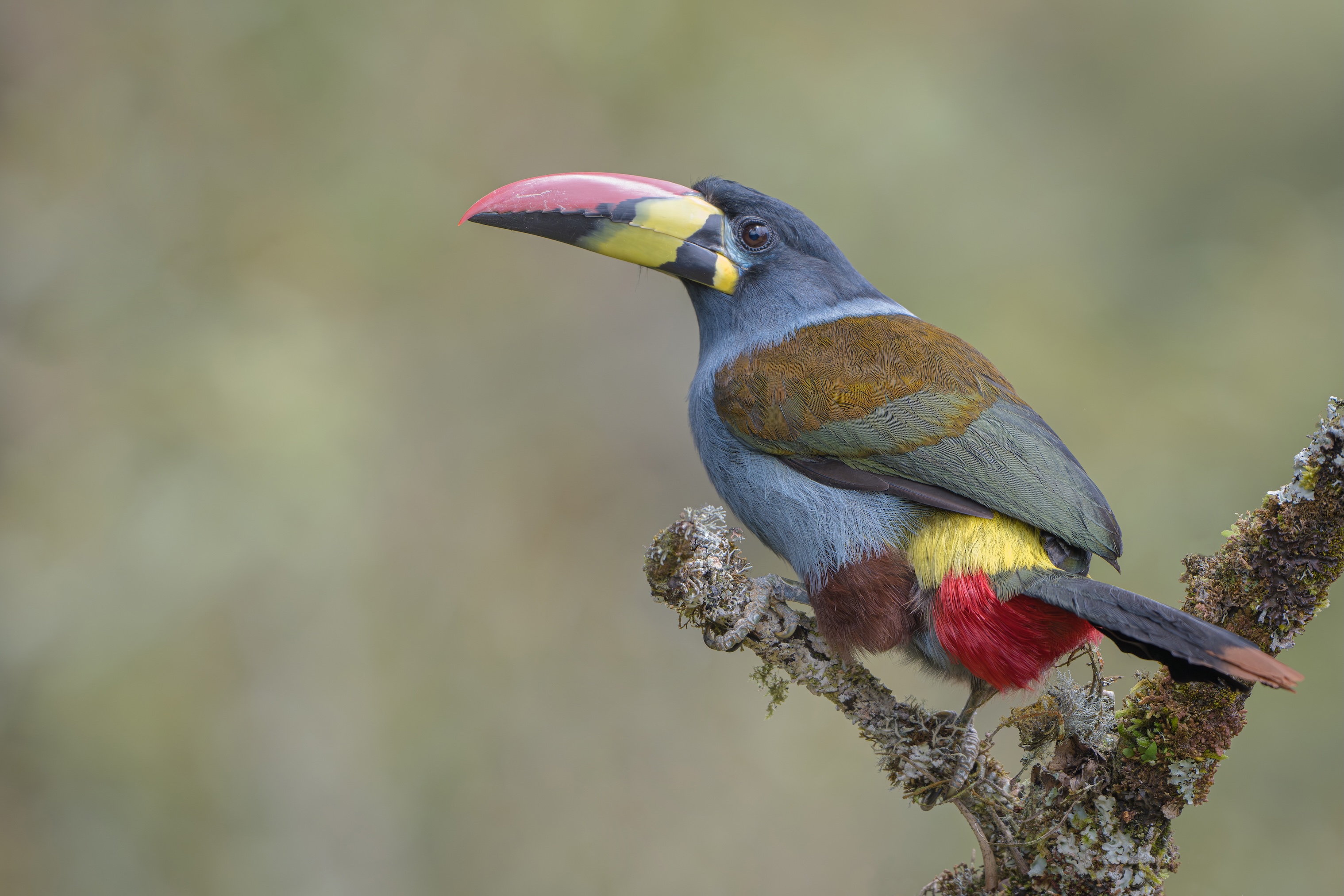
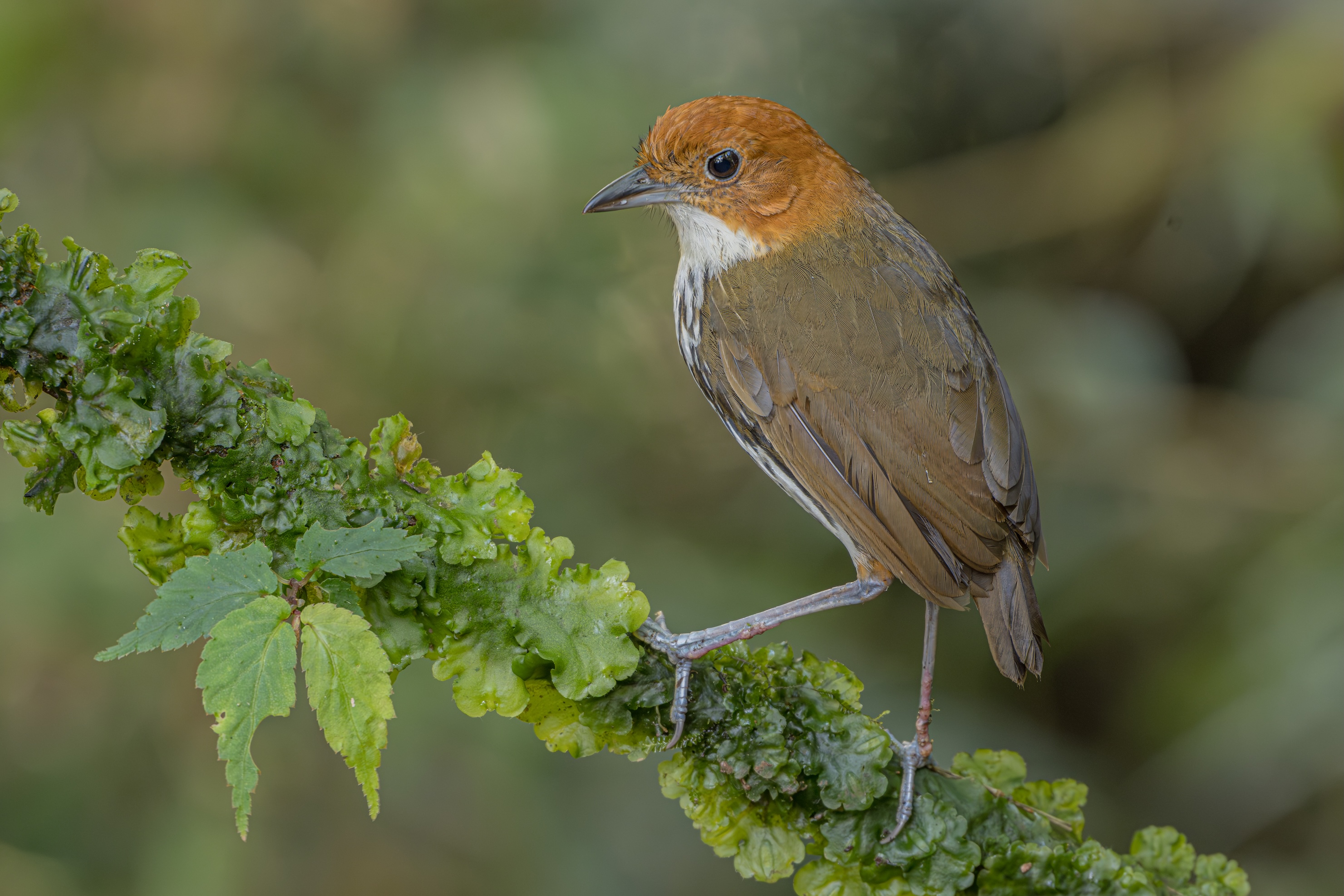
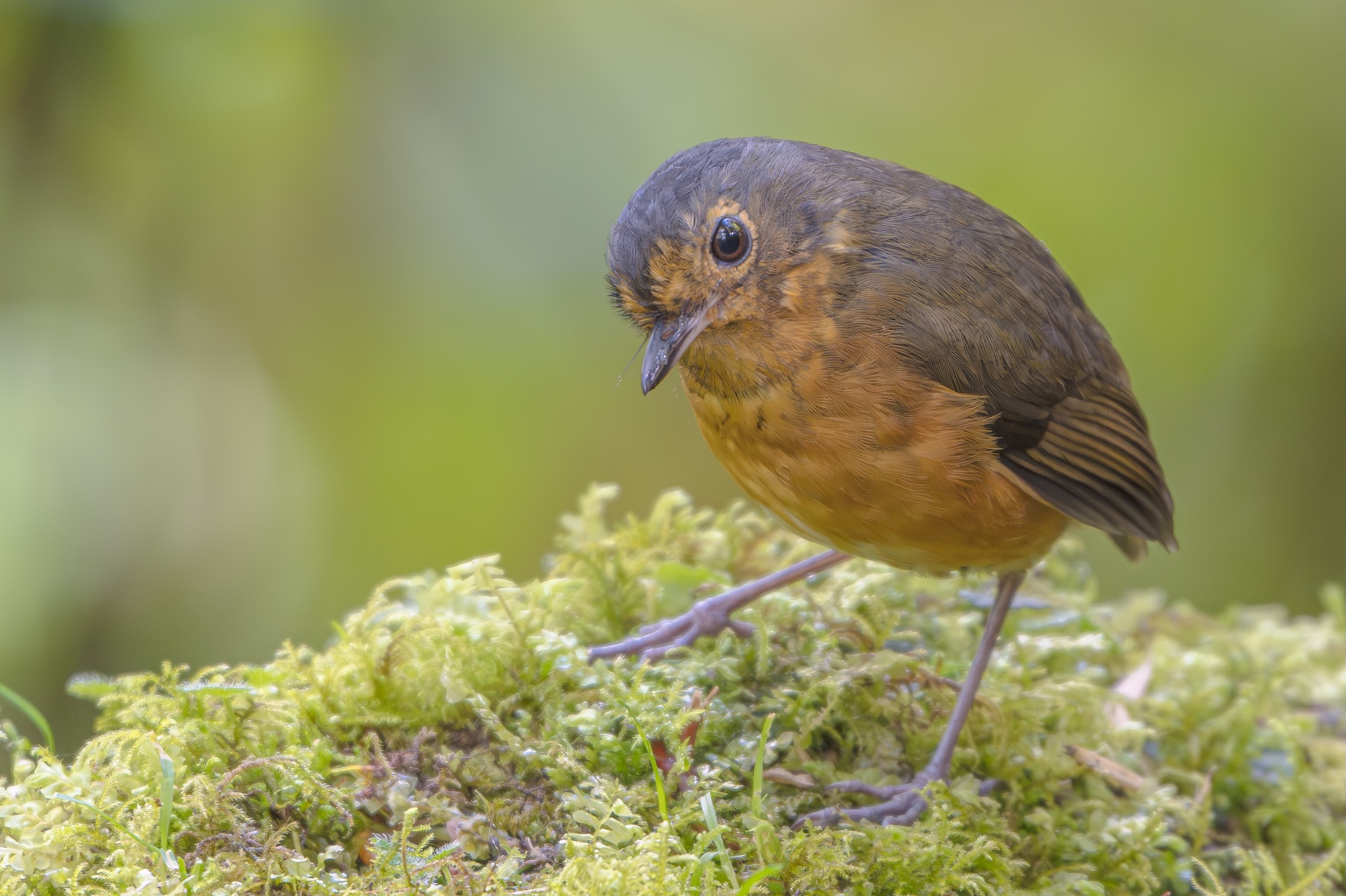
Colombia is widely recognized as one of the most biodiverse countries on Earth and the world’s top birding destination, offering an extraordinary variety of ecosystems, endemic species, and breathtaking landscapes. This carefully designed itinerary combines the Andean cloud forests, páramo ecosystems, Chocó rainforests, wetlands, and the iconic wax palm valleys of the Coffee Region, creating an immersive birding experience across some of the country’s most celebrated hotspots. From colorful tanagers and hummingbirds to elusive antpittas, parrots, and Chocó endemics, this journey offers outstanding opportunities for bird observation, photography, and wildlife encounters, while also showcasing Colombia’s rich natural heritage and conservation efforts.
Duration: 16 Days - 15 Nights.
Group Size: 4 - 8 Participants.
Tour Start: Bogotá Colombia (BOG)
Tour End: Pereira (PEI)
Airport Info:
Bogotá DC - El Dorado International Airport (BOG).
Pereira - Matecaña International Airport (PEI).
___________________________________________________________________________________________________
ITINERARY - THE BEST OF THE ANDES COLOMBIA
Day 1. Chingaza National Natural Park & Guasca.
Early in the morning, we'll venture into the buffer zone of Chingaza National Natural Park, which serves as a crucial habitat for numerous plant and animal species, many of which are endemic to the area. Its diverse ecosystems support a wide array of wildlife. Our journey will involve birding on the road searching for some highlights, including the Glowing Puffleg, Coopery-bellied Puffleg, Sword-billed Hummingbird, Black-billed Mountain-Toucan, Rufous-browed Conebill, Longuemare's Sunangel, and Blue-throated Starfrontlet. Throughout the excursion, we will have opportunities to find endemic species such as the Muisca Antpitta, Silvery-throated Spinetail and Brown-breasted Parakeet. In the afternoon we will visit "Observatorio de los Colibríes" a special place with feeders, good to add some highliths to the day including Sword-billed Hummingbird, Green-tailed and Black-tailed Trainbearer, Sparckling and Lesser Violetear, Red-crested Cotinga.
Day 2. La Florida & Tabacal Lagoon.
La Florida, is located on the outskirts of northwestern Bogotá, is a premier bird-watching destination due to its proximity to the Jaboque Wetland. This park hosts a rich avifauna with more than 300 identified species. Its privileged natural environment makes it an ideal hotspot, to see Bogotá Rail, Silvery-throated Spinetail, Rufous-browed Conebill, Spot-flanked Gallinule, American Coot, Yellow-hooded Blackbird, We will leave La Florida Park and head towards La Vega, where we will observe birds in the Tabacal Lagoon, renowned for its significant regional ecosystem wealth. Our main objectives will be to observe endemic species such as the Velvet-fronted Euphonia, Colombian Chachalaca, and Parker's Antbird. Other notable species include the Red-billed Emerald, Moustached Puffbird, Olivaceous Piculet, White-bellied Antbird, Neotropical Cormorant, and Rusty-breasted Antpitta. This trip promises to be an enriching experience.
Day 3. Laguna de Guarinocito - Bellavista
Our journey continues to La Cuchilla de Bellavista, located in the municipality of La Victoria, Caldas—an exceptional destination for high-Andean birdwatching. The area plays a crucial role serving as habitat for several iconic and range-restricted bird endemic species like White-mantled Barbet, Beautiful Woodpecker, Sooty-Ant Tanager. Other specialties include Striolated Manakin, Black-faced Dacnis, Swallow Tanager, Yellow-backed Tanager. Then, out birdwatching tour takes us to the Guarinocito Lagoon, a wetland ecosystem nestled in the heart of Colombia’s Magdalena Valley. Once there, we’ll board a boat to explore its calm waters in search of aquatic bird species that thrive in this rich and diverse habitat. Surrounded by riparian vegetation, the lagoon is part of a vital wetland complex that supports both migratory and resident birds such us Nothern Screamer, Wattled Jacana, Pied-water Tyrant, Pied-billed and Least Greebes, Purple Gallinule, Black-crowned Night Heron, Russet-throated Puffbird, Rufous-tailed Jacamar, Black-capped Donacobious, Straight-billed Woodcreeper, Red-rumped Woodpecker, while also providing refuge for fish, amphibians, and reptiles that depend on these seasonal floodplains.
Day 4. Nevados National Park & Termales del Ruiz
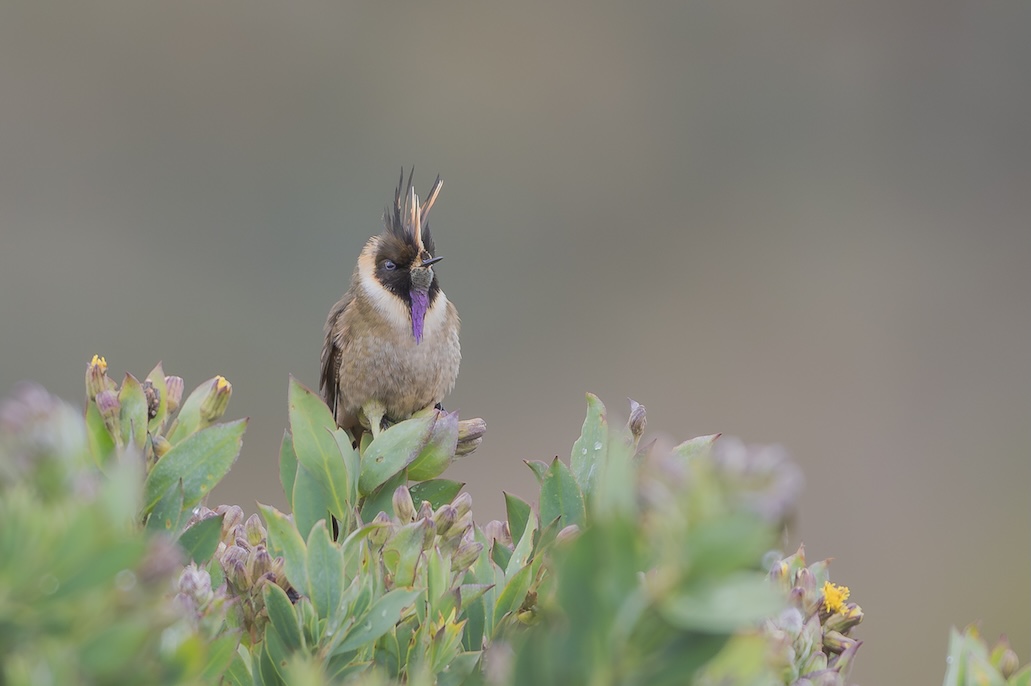
Nevados National Park is home to one of the most amazing hummingbirds worldwide: the endemic Buffy Helmetcrest. This natural park has about 55 hectares of snow-capped peaks, paramos, and sub-paramos in the central mountain range of Colombia. There, we could possibly observe Andean Condor, Stout-billed Cinclodes, Brown-backed Chat-Tyrant, Pale-naped Brushfinch, and the endemic and critically endangered the Rufous-fronted Parakeet. In the afternoon we will enjoy the hot springs between mountains at the hotel in Termales del Ruiz.
Day 5. Hacienda el Bosque
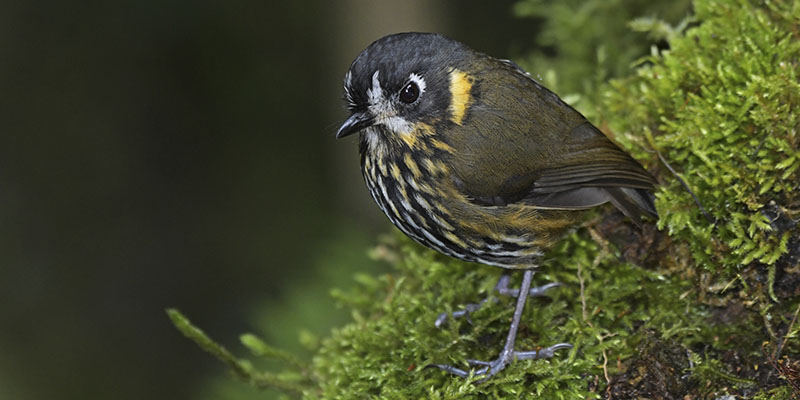
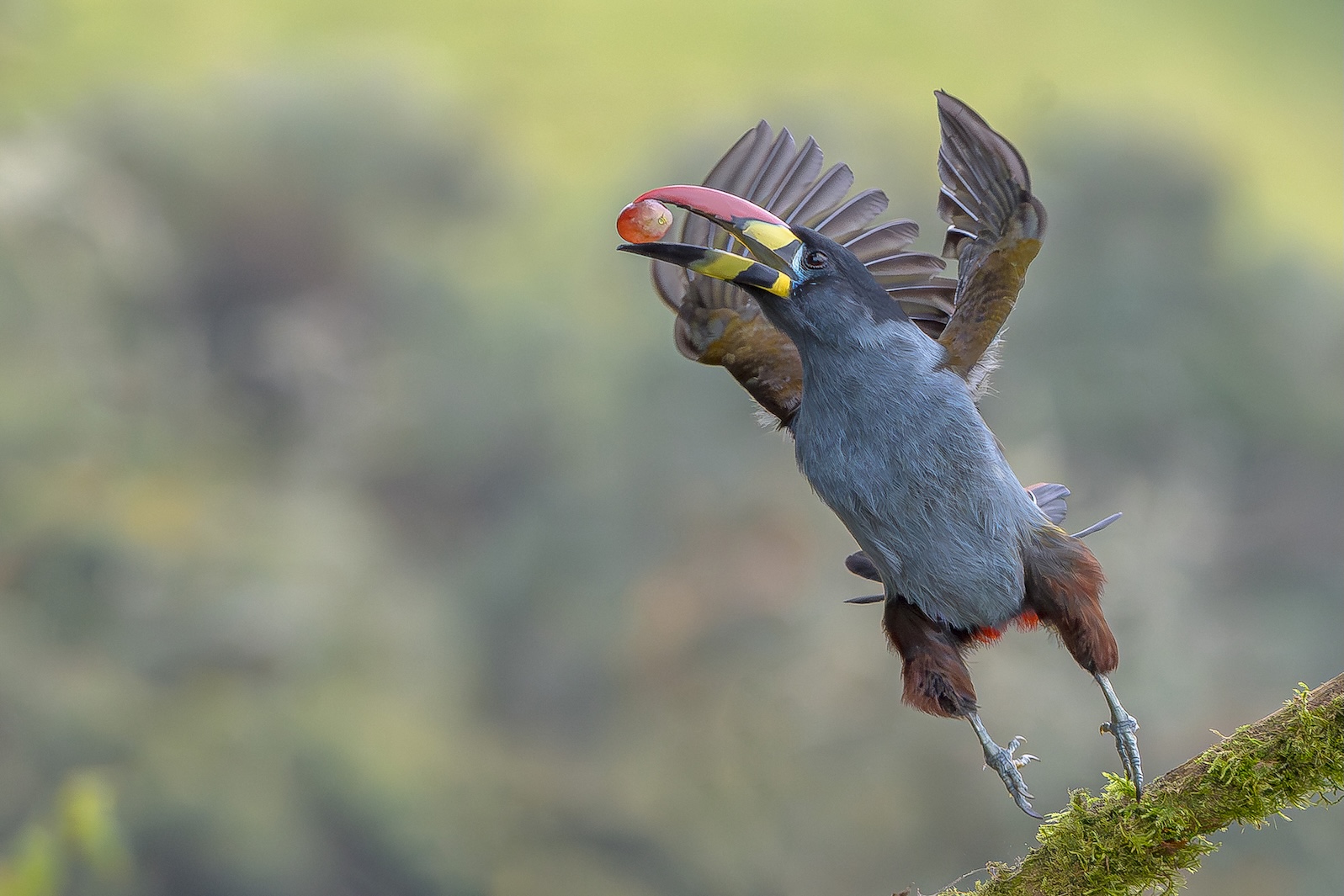
Situated in the buffer zone of Nevados National Park, Hacienda el Bosque is a family-run project that harmonizes sustainable livestock practices with biodiversity conservation efforts. Upon our early arrival, visitors may be fortunate enough to catch a glimpse of elusive species such as the Crescent-faced Antpitta and Ecuatorial Antpitta, along with a dazzling array of hummingbirds, including the Sword-billed Hummingbird, Black-thighed Puffleg, Collared Inca, Tyrian Metaltail, Buff-winged Startfrontlet, Mountain Velvetbreast. Among the most pampered residents are the Gray-breasted Mountain-Toucan, Andean Guan, Gray-browed Brushfinch, Yellow-bellied Chat-Tyrant offering an unforgettable experience amidst the natural splendor of the Andes.
Day 6. Rio Blanco Nature Reserve
Our adventure leads us to Río Blanco, a private reserve serving as a crucial biological corridor connecting the Paramo ecosystem of Nevados National Park with its buffer zone. Renowned as a premier birding hotspot in Colombia. Feeders will provide out other bird treasures such as the Blue-winged Mountain – Tanager, Masked Flowerpiercer, Blue-capped Tanager, Green-and-black Fruiteater, and could possibly photograph Buff-necked Mountain- Tanager, Additionally, we'll have the chance to get other antpittas, including the Chestnut-crowned, Slate-crowned, and endemic Brown-banded Antpittas, often drawn to the feeders.
Day 7. Tinamú Nature Reserve
Tinamú Nature Reserve is a family project with a rich history spanning over 40 years, where they decided to replace coffee and banana plantations with a gradual transformation into a semi-natural forest. Today, the reserve boasts a thriving ecosystem, serving as a habitat for over 260 species of birds, mammals, reptiles, butterflies, and various plants. Here, we can photograph Flame-rumped Tanager, Bay-headed Tanager, Guira Tanager, Golden-collared Manakin, Little Tinamou, and with some luck, the solitary Mustached Puffbird, along with hummingbirds like the White-vented Plumeleteer, Black-throated Mango, Steely-vented Hummingbird, and Green Hermit. After enjoying the biodiversity of Tinamú, we’ll transfer to Santa Rosa de Cabal, where our next birding experience will take place in the high-elevation area of Cortaderal—an ideal habitat for páramo and elfin forest species, and a gateway to some of the most spectacular Andean landscapes in the region.
Day 8. Santa Rosa & Cortaderal
Located in the highlands of Santa Rosa de Cabal, the Cortaderal area offers a unique opportunity to explore the páramo and high-Andean forest ecosystems—habitats known for their ecological importance and striking beauty. This remote and pristine environment is home to several iconic and range-restricted bird species, making it a must-visit for birders. As we ascend through the misty trails and elfin forests, we’ll search for specialties such as the Golden-Headed Quetzal, Golden-plumed Parakeet, Speckle-faced Parrot, Black-billed Mountain-Toucan, Andean Pygmy-Owl, White-capped Tanager and the elusive Indigo-winged Parrot. The area is also an excellent spot to observe highland hummingbirds like the Shining Sunbeam, Great Sapphirewing, Collared Inca, Black-thighed Puffleg, among others.
Day 9. Otún Quimbaya Sanctuary
Otún Quimbaya Flora and Fauna Sanctuary is a protected area corresponds to natural forests in different states of succession and mature forests. It houses a significant percentage of fauna and flora. There, our main targets will be the endemic Cauca Guan, others like Red-ruffed Fruitcrow, Torrent Duck, White-capped Dipper, Torrent Tyranulet, Collared Trogon, Strong-billed Woodcreeper, Handsome Flycatcher, Rufous-breasted Flycatcher, Blue-necked Tanager, Black-capped Tanager.
Day 10 - 11. Montezuma Rainforest & Ecolodge
We will take breakfast early with time to prepare for a 3-hours driving to Montezuma Rainforest. We will stop on the road to Montezuma for some birds, such as Bay-headed Tanager, Thick-billed Euphonia, Bar-crested Antshrike, and the endemic Turquoise Dacnis. Montezuma is located at the buffer zone of Tatamá National Natural Park, a stunning place considered one of the most diverse destinations and a hotspot for birds. Montezuma is home of many endemic species including Chestnut-bellied Flowerpiercer, Munchique Wood-wren, Black-and-gold Tanager, Gold-ringed Tanager, Tatamá Tapaculo, Dusky Starfrontlet. We will take the lunch at Montezuma while we enjoy the feeders around: Empress and Green-crowned Brilliant, Violet-tailed Sylph, Purple-throated Woodstar, Velvet-purple Coronet, Purple-bibbed Whitetip, Western emerald, Rufous-gaped Hillstar, Andean Emerald.
Day 12. Santa Cecilia & Montezuma Rainforest.
After an unforgettable stay in the Montezuma Rainforest, we’ll make an early morning transfer to the nearby lowland community of Santa Cecilia in the municipality of Pueblo Rico—an excellent site for targeting Chocó lowland specialties. This area, located at the edge of the biogeographic Chocó, offers a different set of habitats and a new range of species. As we explore the trails and forest edges, we’ll be on the lookout for iconic species such as the Baudó Oropendola, a rare and localized endemic, as well as the Short-tailed Swift and the unique Tooth-billed Hummingbird. Other highlights include the delicate Purple-crowned Fairy, Blue-chested Hummingbird, and colorful trogons like the White-tailed and Gartered Trogon. We also hope to encounter charismatic species such as the Broad-billed and Rufous Motmot, Pied Puffbird, and the unmistakable Choco Toucan.
Day 13. Cajamarca & Retorno del Colibrí
Early in the morning, we’ll begin a scenic drive toward the town of Cajamarca, located on the western slope of the Central Andes. Our destination is El Retorno del Colibrí, a charming family-run conservation project dedicated to protecting a small but vital fragment of Andean Forest surrounded by organic coffee and plantain plantations. This area has become an emerging birding hotspot, known for its diversity of hummingbirds and mixed flocks that move through the forest edge. Birds there include 3 endemic species such as Tolima Blossomcrown, Tolima Dove, and Indigo-capped Hummingbird.
Day 14. Yellow-eared Parrot Reserve
Our journey will lead us to a private reserve where these magnificent birds make their home: The Yellow-eared Parrot. This will be a truly delightful experience combined with the stunning landscape of the majestic wax palm, Colombia's national tree, other species include Masked Saltator, Black-billed Mountain-Toucan, Grass-green Tanager, Black-collared Jay, Black-and-chestnut Eagle, Rufous-throated Chat-tyrant, Black-headed Hemispingus, Crimson-mantled Woodpecker, Red-hooded Tanager.
Day 15. Kiraikai Nature Reserve & Filandia
To conclude our expedition, we’ll visit Kiraikai Reserve, located within the Barbas-Bremen Soil Conservation Areanear the town of Filandia, Quindío. This transitional forest, nestled between the Central Andes and the coffee cultural landscape, offers a final opportunity to enjoy the region’s rich biodiversity. As we walk the trails, we’ll keep an eye out not only for forest birds but also for Howler Monkeys, whose resonant calls echo through the canopy, and the stunning Cauca Poison Frog (Andinobates bombetes), a colorful amphibian endemic to this region. The reserve’s mosaic of secondary and mature forest provides an ideal habitat for mixed bird flocks and elusive species.
Day 16. Depature from Pereira (PEI) - Matecaña International Airport.
Our tours include all of the meals beginning with breakfast on day 2 until lunch on the last day in Colombia. They also include lodging from the night before the start of the tour until the last night of the selected tour, as well as land transportation, a local guide, water and snacks.
The tour does not include: flights (except for those mentioned in the itinerary), alcoholic beverages, tips, phone calls, sim-cards for phones, extra baggage payment, laundry service, or any other expenses of a personal nature.
Note: It is possible that due to unforeseen circumstances or forces of nature, we may be forced to modify the itinerary or change the local guide without informing you previously. However, we will do everything in our power to ensure that the tour stays as close as possible to your initial itinerary.
Registration
Before enrolling, we recommend contacting a Birding & Herping consultant to answer any questions or concerns. It is necessary to register through the website. After registering, you will receive a form via e-mail, which must be completed in full, signed and sent back via email. Likewise, you must make a down payment of $ 150 USD per person, which will be discounted from the total value of the tour once the minimum number of participants has been reached. The minimum quota of a tour is two people up to a maximum capacity of 8 people. If the minimum quota has not been reached by the registering deadline down payment will be reimbursed minus a minimum percentage for bank charges.
Registration for the tour becomes effective once you have met these two requirements: The registration form and down payment
Note: Please refrain from purchasing airline tickets without verifying that the minimum quota has been completed and you have been notified by the Birding & Herping team.
Payment and cancellation policy
Once the registration process has been confirmed by the Birding & Herping team, you must pay the entire amount within a maximum period of 90 days before the start date of the tour. You can make the payment by bank transfer or through a PSE payment link.
If you request to cancel the tour less than 90 days prior to the departure date, a 20% charge will apply. If the cancellation is made less than 30 days from the departure date, a 30% charge will apply as well as any bank fees.
Travel insurance
Travel insurance is essential in case of accidents or illnesses that may occur during the tour. Check with several companies that can provide you with travel policies and choose the one with the most coverage possible, including common illnesses such as colds or stomach problems.
Local flights
Local flights to destinations such as the Colombian Pacific, the eastern plains or southern Colombia may be delayed due to weather conditions or as a result of delays relating other flights at major airports in cities such as Bogotá, Medellín or Cali. Due to these types of circumstances, we have planned the itinerary, so that they do not coincide with the last day of the tour, which will avoid complications for flights returning home.
A tour in Colombia that exceeds all your expectations requires planning. The following recommendations have been designed in order to instruct you to make your trip in Colombia as safe, comfortable and pleasant as possible.
1. It is commonly known that our country has history of violent struggle; However, a peace process has opened a world of opportunities for local communities, many of them victims of armed conflict, to seek alternatives such as ecotourism to improve their living conditions and to enhance their culture and love for their territory. All the places proposed in each of our tours guarantee the safety and integrity of the people who are partnering with us.
2. Climate: you must be prepared for several possible weather conditions during a tour in Colombia: humid forests (between 0 and 1000 meters above sea level), dry forests (between 500 and 1000 meters above sea level), Andean forests, high Andean and páramos (between 1400 and 4000 msnm / XX feet). Include in your luggage comfortable clothing, waterproof clothing, long-sleeved shirts that protect from sun and mosquitoes, jackets for colder weather and waterproof boots.
3. Physical demand: each tour has its own physical demands. There will be routes that require long walks on trails with different types of inclines and/or unpaved roads. In the itinerary you will find out more specific details concerning the routes and the level of difficulty. We recommend you inform the team (Staff) of any physical or medical condition before the tour.
4. Health precautions and medicine: Before taking your trip, visit your trusted doctor, so they can recommend the most appropriate medicines and vaccines to take in case of acquiring any disease during your trip.
a) Vaccines against yellow fever, hepatitis and tetanus are recommended before traveling to Colombia, especially if you visit humid areas such as the Pacific or the Amazon.
b) Medicines: Remember to bring medicine (if possible in their original packaging), that you may require for any previously existing medical condition as well as common medicines that can help with headaches, flu and upset stomach.
c) Prevention: Use insect repellent at all times and wear long-sleeved clothing, thereby avoiding acquiring diseases such as dengue or related diseases transmitted through insects.
d) Always use sunscreen and a hat; stay hydrated during the walks on the tour in order to prevent problems caused by heat stroke.
5. Food and hydration: Inform the team about dietary restrictions and allergies. During your stay in Colombia, we recommend eating as much well-cooked food as possible, including vegetables; drink water only and exclusively from a bottle, avoid drinking water from the tap even if the staff tell you that it is safe (filters or purifying tablets can be used in an emergency). The guide will watch over your well-being and inform you of safe places to eat.
6. Necessary documentation: In Colombia, only a passport is required to enter the country; Verify that the expiration date is not before the end of the tour and always carry it in your carry-on baggage.
7. Money and ATMs: The Colombian currency is the Colombian PESO (COP). We recommend withdrawing enough money to cover expenses of a personal nature or those that are not stipulated within the Tour. In Colombia, there are several places including towns, terminals, shopping centers, gas stations that have ATMs readily available. If you are in need of one, do not hesitate to ask your guide, or the driver to make a stop.
8. Internet: Some of the places described in the tour, especially hotels, have Internet access; others have little or no coverage and are restricted to social areas, but not in each room. Request detailed information about the places within the itinerary where you can access the internet if you require it.
9. Equipment: Because Colombia is a Neotropical country, electronic equipment may be at risk due to humidity. We recommend bringing dry bags, a humidifier, cleaning equipment and other items that guarantee that your equipment does not suffer from humidity.
a) Insure your equipment during your trip: consult with a company that guarantees the protection of your equipment in case of damage, moisture problems, loss or theft; While the places we are visiting are guaranteed to be safe, it is better to be sure. Birding & Herping is not responsible for the loss, damage or theft of your equipment.
b) If for some reason your equipment suffers some unforeseen setback, we can provide some equipment such as cameras, lenses and binoculars (depending on the references) with a rental cost.
10. Tips: Tips are voluntary; you are not obliged to give them. However, if you consider that the people serving you have offered a good service you are at liberty to do so.
11. Follow the instructions: It is very important that you follow the recommendations or instructions of the guide. He is the person in charge of your safety and well-being, he knows every detail of the itinerary and the limits that apply to certain species of fauna or flora. He can be flexible with some things as long as they do not affect the welfare of the group and the fauna.
12. Fauna and flora: Our team is trained and know the places to visit; however, nature is unpredictable and the success of an observation depends on certain factors, many of which may be beyond our reach. We recommend consulting the team as to the most appropriate seasons to observe certain species in Colombia, this will make your stay and observation much more successful.
13. The Extraction of fauna, flora, genetic material, as well as the cultural heritage of Colombia is illegal and is penalized by the authorities (law 599 of 2000 and Decree 1608 of 1978, law 397 of 1997).
14. The sexual exploitation of children, sex tourism and other forms of abuse against minors (law 1336 of 2009), or child labor exploitation is completely prohibited and is also penalized by the Colombian authorities (Law 1098 of 2006 ).
15. Birding & Herping defends equality of race or gender (law 1482 of 2011, modified by law 1752 of 2015).
.jpg)